

Resource Issues: Dredging and Harbors
Overview of the issue
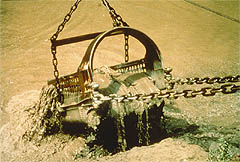 Periodic dredging of the local harbors is a necessary component of keeping
the harbor channels clear and allowing access for all types of vessels.
There are four major harbors within the MBNMS, three of which conduct
regular dredging activity.
Periodic dredging of the local harbors is a necessary component of keeping
the harbor channels clear and allowing access for all types of vessels.
There are four major harbors within the MBNMS, three of which conduct
regular dredging activity.
Dredge disposal areas within the MBNMS:
- Monterey Bay Dredge Disposal Sites
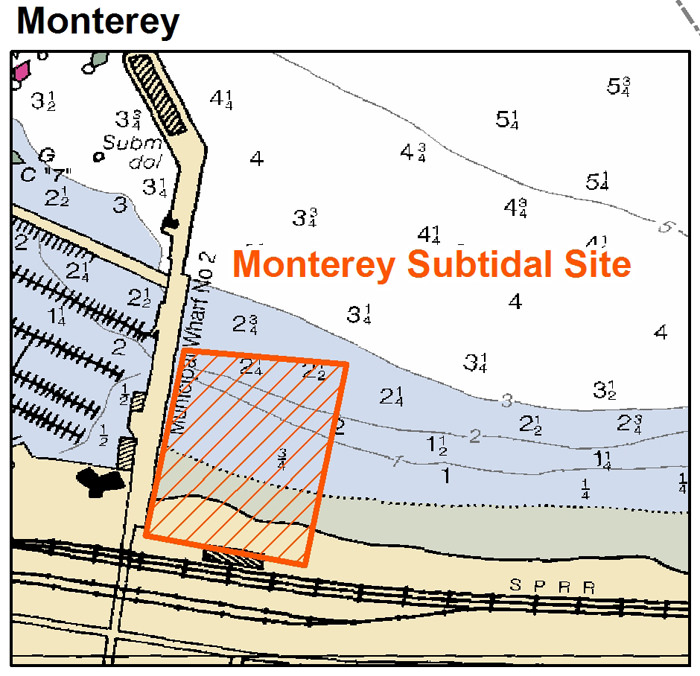
- Monterey Harbor Dredge Disposal Sites
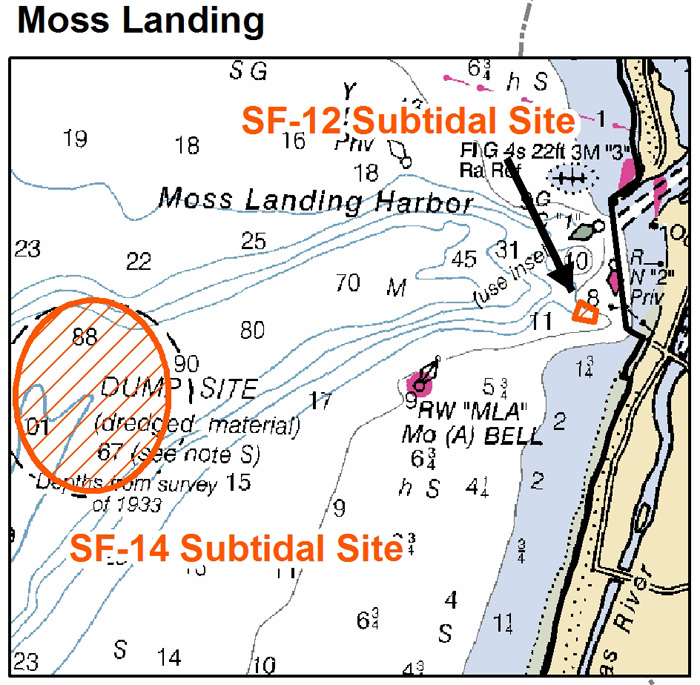
- Moss Landing Dredge Disposal Sites
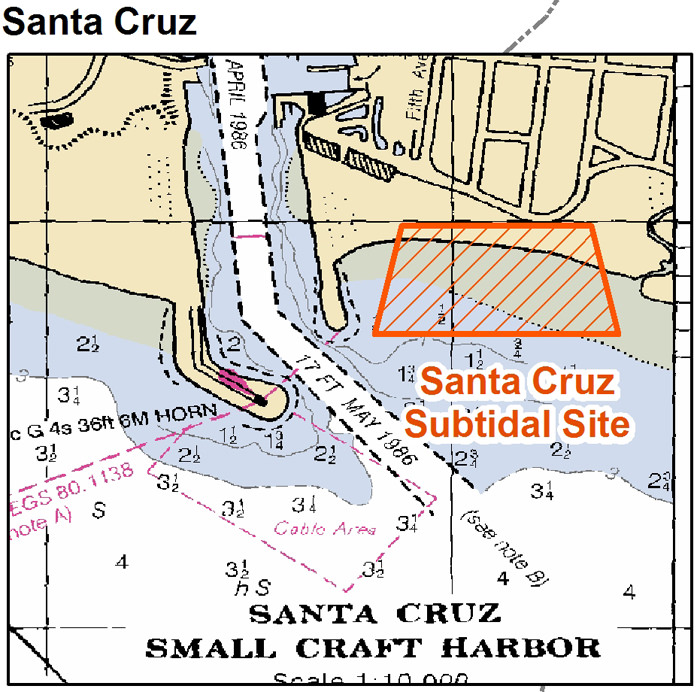
- Santa Cruz Dredge Disposal Sites
How is the Sanctuary involved?
The Sanctuary does not directly regulate the dredging itself, i.e. the removal of sediment from the harbors and their channels, but does have a regulatory role in the disposal of dredged materials. Staff have carefully examined this issue, recognizing that while dredging is necessary to ongoing harbor operations, dredged material disposal may affect water quality and can bury or alter habitat, bathymetry and physical processes. Disposal of dredged material from local harbors is allowed at designated disposal sites within the Sanctuary, provided it complies with Environmental Protection Agency (EPA) standards for grain size and contaminant levels, as defined by the Clean Water Act. Dredged materials from certain harbors in the region are sometimes contaminated with toxins, including persistent pesticides such as DDT, and the material is not approved for ocean disposal according to EPA standards.
Harbors adjacent to the Sanctuary
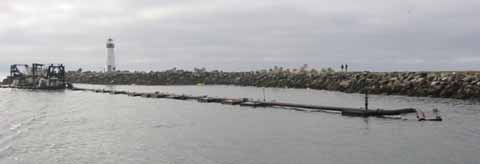
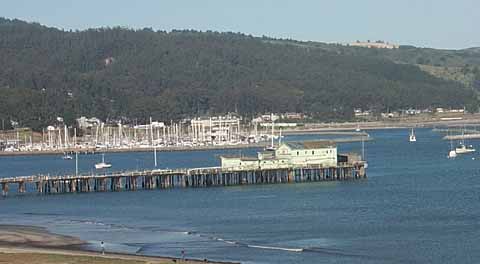
There are four major harbors adjacent to the Monterey Bay National Marine Sanctuary (MBNMS). Two of these harbors regularly dredge the bottom of the harbor. Harbors dispose of their dredged material either in the ocean, on land at landfill sites, or at designated beach nourishment sites adjacent to the harbors.
When the Sanctuary was designated in 1992, two existing offshore sites for dredge disposal were identified, and the establishment of new sites was prohibited within its boundaries. Since then, MBNMS has recognized and authorized the use of additional sites at Santa Cruz and Monterey Harbors that were in use prior to designation. The Sanctuary reviews the composition of the sediment and any associated contaminants and authorizes dredged material disposal at these sites for clean sediments of the appropriate grain size and amounts.
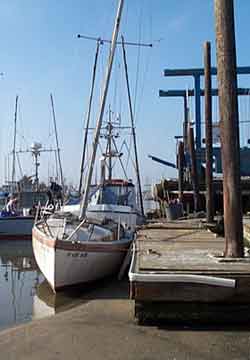 The periodic dredging of the local harbors is a necessary component of keeping the harbor channels clear and allowing access for all types of vessels. Although MBNMS regulations broadly prohibit disturbing the seabed, the specific act of dredging for harbors and their channels is specifically exempted by these regulations. Additionally, because dredging generally occurs with a port or harbor, which are outside the MBNMS boundaries it is afforded further exception from the regulations. However, the MBNMS does have a regulatory role when considering proposals to dispose of dredged disposal sediments offshore within the National Marine Sanctuary.
MBNMS staff has reviewed and discussed various issues related to dredge disposal that have arisen since designation of the MBNMS, including: disposal volumes, grain size, locations of existing disposal sites, sedimentation sources, pier reconstruction at Moss Landing, sediment transport, beach nourishment, research gaps, and permit procedures. With input from agencies, harbormasters and other stakeholders, this review has focused on the continued protection of MBNMS resources, while also accommodating the disposal of harbor sediments when appropriate.
Current MBNMS Regulations
The MBNMS is mandated to approach resource protection from a broad, ecosystem-based perspective. This requires consideration of a complex array of habitats, species, and interconnected processes and their relationship to human activities. This is best stated by language directly from the National Marine Sanctuary Act which states one of the overarching goals of the Sanctuary program: "Maintain the natural biological communities in the national marine sanctuaries, and to protect, and where appropriate, restore and enhance natural habitats, populations and ecological processes." In accomplishing this goal the MBNMS intends to continue coordination with harbors to allow for disposal activities while protecting Sanctuary resources. We recognize that harbors are the gateways to accessing the MBNMS, and that physical processes, such as sediment movement, are important factors in controlling habitat structure, coastal erosion and littoral transport.
The MBNMS works with other state and federal agencies to ensure that MBNMS resources are protected. The MBNMS coordinates with the California Coastal Commission, the US Army Corps of Engineers, Environmental Protection Agency, the Regional Water Quality Control Board, California Department of Fish and Game, National Marine Fisheries Service, and the US Fish and Wildlife Service to review and authorize dredge disposal, as well as other discharges within the MBNMS. The MBNMS reviews the composition of the sediment, volumes, grain size, and associated contaminant load, to determine if the dredge sediments are appropriate for disposal in the ocean and comply with the provisions of relevant laws such as the Clean Water Act and the National Marine Sanctuaries Act. Most agencies have a specific mandate under which they view the potential disposal impacts, such as Essential Fish Habitat, or effects as they pertain to the Endangered Species Act. The MBNMS examines the issue from a larger holistic view of ecosystem protection.
Regulations
The MBNMS regulations at 15CFR§ 922.132 describe prohibited or otherwise regulated activities. This section states that dredge disposal is prohibited within the MBNMS except for dredged material deposited at disposal sites authorized by the U.S. Environmental Protection Agency (EPA) (in consultation with the U.S. Army Corps of Engineers (COE)) prior to the effective date of Sanctuary designation (January 1, 1993), provided that the activity is pursuant to, and complies with the terms and conditions of, a valid Federal permit or approval.
The MBNMS regulations exempted dredge disposal activities that complied with a federal permit or approval existing on January 1, 1993. However, current dredge disposal permits and the associated needs do not fall into this category as the permits for disposal have since expired. Therefore, additional disposal at previously approved or permitted sites must be approved by NOAA in accordance with the authorization process (§ 944.11).
A MBNMS "Authorization" must be obtained from local harbors when disposing of dredge sediments in the MBNMS (pursuant to MBNMS regulations at 15 CFR § § 922.132(a)(2)(i), 922.132(f) and 922.49). The MBNMS works collectively with other agencies and "authorizes" other agency permits, generally the COE or the CCC. This authorization comes in the form of either a "no objection" letter to the primary permitting agency (generally either the COE or the CCC), a letter to another agency which recommends special conditions be added to that agency's primary permit, or in the form of an "Authorization" issued directly to the harbor, which includes special conditions to ensure that these sediments are not adversely affecting the marine ecosystem and MBNMS resources.
These reviews allow MBNMS staff to minimize impacts to Sanctuary resources while allowing the continued operation of our critical local harbors. MBNMS officials have allowed approximately 98% (by volume) of all dredge sediment proposed by local harbors for offshore disposal in the MBNMS since 1992.
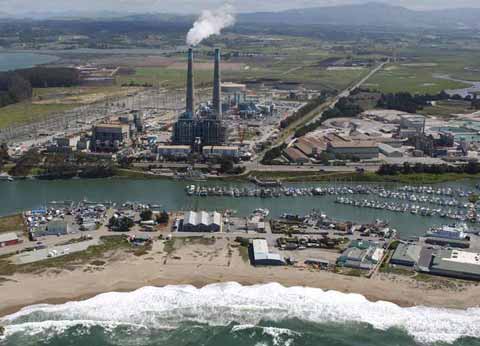
The two harbors that regularly dredge, Santa Cruz Harbor and Moss Landing Harbor, dispose the bulk of their dredge sediments within the MBNMS. In 1992, as stated in the MBNMS Final Environmental Impact Statement/ Management Plan, the dredging needs of Santa Cruz Harbor were on the order of removal of 100,000 to 130,000 cubic yards of sand per year. Moss Landing Harbor in 1992 was known to require dredging every two to three years with an associated volume of 50,000 cubic yards removed per cycle.
Currently the Santa Cruz Harbor has a MBNMS authorization to dispose of 360,000 cubic yards per year in the MBNMS. Moss Landing Harbor has a MBNMS authorization, which allows for the disposal of 100,000 cubic yards of dredge sediments per year. The need for increased permitted volumes of material within a two-year period is thought to be due to natural events such as El Niño. Heavy rains associated with this phenomena often cause increased erosion in watersheds, and result in heavy sediment loading at the endpoint of rivers, in this case, the two harbors. Heavy winter storm conditions and high surf, also resultant from El Niño conditions, are known to deposit increased volumes of sand at the mouth of entrance channels during those El Niño years.
ADDITIONAL RESOURCES: